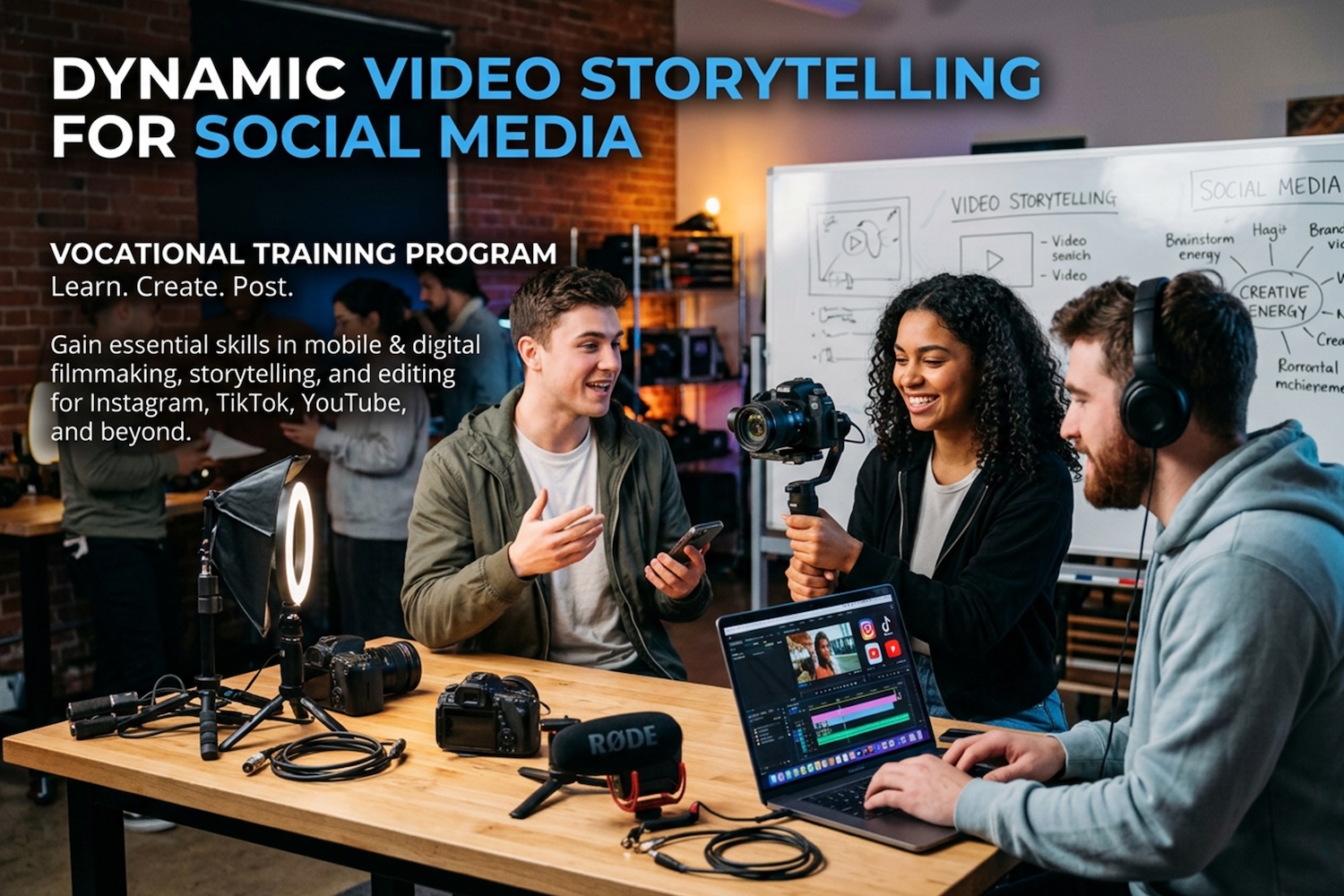
When production overshadows the message in the race to capture attention on social media
One of the biggest challenges emerging from the explosion of video content across social media is the quality of audiovisual storytelling. Too often, the final production diminishes—or even overshadows—the very message an organisation is trying to communicate.
The result is audience confusion, leaving organisations vulnerable to misinformation, misinterpretation, and, ultimately, a loss of trust among customers and stakeholders.
Why does this happen? Where does the message get lost?
Social media platforms—particularly TikTok, Instagram Reels, and short-form videos on Facebook and YouTube—reward content that captures attention within the first few seconds. Fast-paced editing, visual effects, trending music, humour, and even shock value have become common techniques for increasing engagement.
However, this battle for attention comes at a cost.
In many cases, the balanced structure of an effective video is sacrificed. Successful video storytelling relies on the seamless integration of three essential elements: Story, Sound, and Visuals. When these elements are not carefully aligned, the communication objective becomes diluted, regardless of how visually impressive the production may be.
Achieving this balance begins long before filming. It starts during pre-production, where content creators collaborate closely with communication, advertising, and marketing professionals to ensure that every creative decision supports the intended message.
For small businesses, where dedicated marketing or communication teams often do not exist, this responsibility usually falls entirely on the video creator. This makes training in the principles of dynamic video storytelling more important than ever.
Building videos that communicate with purpose
The Dynamic Video Storytelling for Social Media programme equips participants with practical skills that help keep the message at the centre of every production. Participants learn how to:
- develop storytelling concepts aligned with specific communication, branding, or marketing objectives;
- create narratives that promote positive social messages and meaningful audience engagement;
- analyse different types of audio and understand how sound shapes emotion, atmosphere, and audience perception;
- design short narrative scenes and realistic dialogue that strengthen the story and support the intended communication outcome.
Rather than focusing solely on production techniques, the programme provides professionals with the knowledge and practical tools to create videos that capture attention, inspire audiences, and—most importantly—communicate their message with clarity, purpose, and impact.